You have been told raw honey is good for you. But nobody ever tells you when to take it.
Does it matter if you have it in the morning on an empty stomach versus right before bed? Should you take it before a workout or after? With food or without?
It actually does matter, and the difference in results can be significant. This guide breaks down exactly when to take raw honey for each specific goal, so you stop guessing and start getting the most out of every spoonful.
Why Timing Matters With Raw Honey
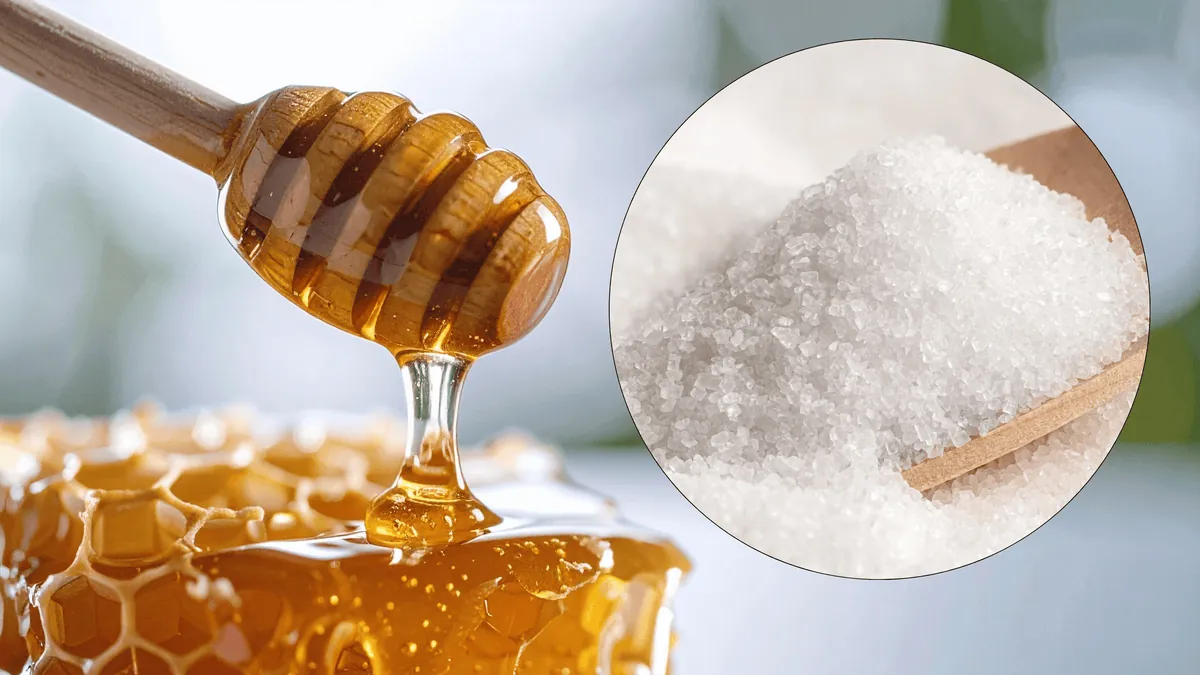
Raw honey is not the same as processed honey. Raw, unpasteurized honey retains its natural enzymes, antioxidants, pollen, and antimicrobial compounds that are destroyed by heat during commercial processing.
Because of this enzyme activity, how and when your body receives those compounds affects how well they are absorbed and used. Your digestive chemistry changes throughout the day, your gut bacteria are more active at certain hours, your insulin sensitivity shifts, and your liver is in different metabolic states morning versus night.
Raw honey interacts with all of these systems. That is why timing is not just a detail, it is the difference between getting a fraction of the benefits versus the full picture.
Quick note: Always use raw, unpasteurized honey. Pasteurized supermarket honey has most of its active compounds destroyed and the timing advice in this guide applies only to the real thing. See our guide on how to tell if your honey is real.
The Best Time to Take Raw Honey: A Summary by Goal
| Your Goal | Best Time | How Much |
|---|---|---|
| Morning energy and focus | Morning, empty stomach | 1 tbsp |
| Better sleep | 30 minutes before bed | 1 tsp |
| Athletic performance | 30 min before exercise | 1 tbsp |
| Muscle recovery | Within 30 min after exercise | 1 tbsp |
| Digestion support | Morning, empty stomach | 1 tsp in warm water |
| Immunity boost | Morning or when symptoms start | 1-2 tsp |
| Sore throat relief | As needed, especially at night | 1 tsp straight |
| Weight management | Morning, replace refined sugar | 1 tsp |
1. First Thing in the Morning (Empty Stomach): Best for Digestion and Energy
Taking raw honey first thing in the morning on an empty stomach is one of the most effective ways to use it. Here is the science behind why.
When your stomach is empty, there is nothing competing with the honey for absorption. The natural sugars, primarily fructose and glucose, pass through your intestinal wall quickly and reach your liver, where glucose is stored as glycogen. Glycogen is your brain's preferred fuel source, which is why many people report feeling sharper and more alert within 20 to 30 minutes of morning honey.
The enzymes in raw honey, particularly diastase and invertase, are most active when they are not diluted by other food matter. These enzymes support your own digestive system and can help reduce bloating, improve gut motility, and support a healthy microbiome. A study published in the Journal of Medicinal Food confirmed the prebiotic effect of raw honey on beneficial gut bacteria including Lactobacillus and Bifidobacterium.
How to Do It
- Take 1 teaspoon to 1 tablespoon of raw honey
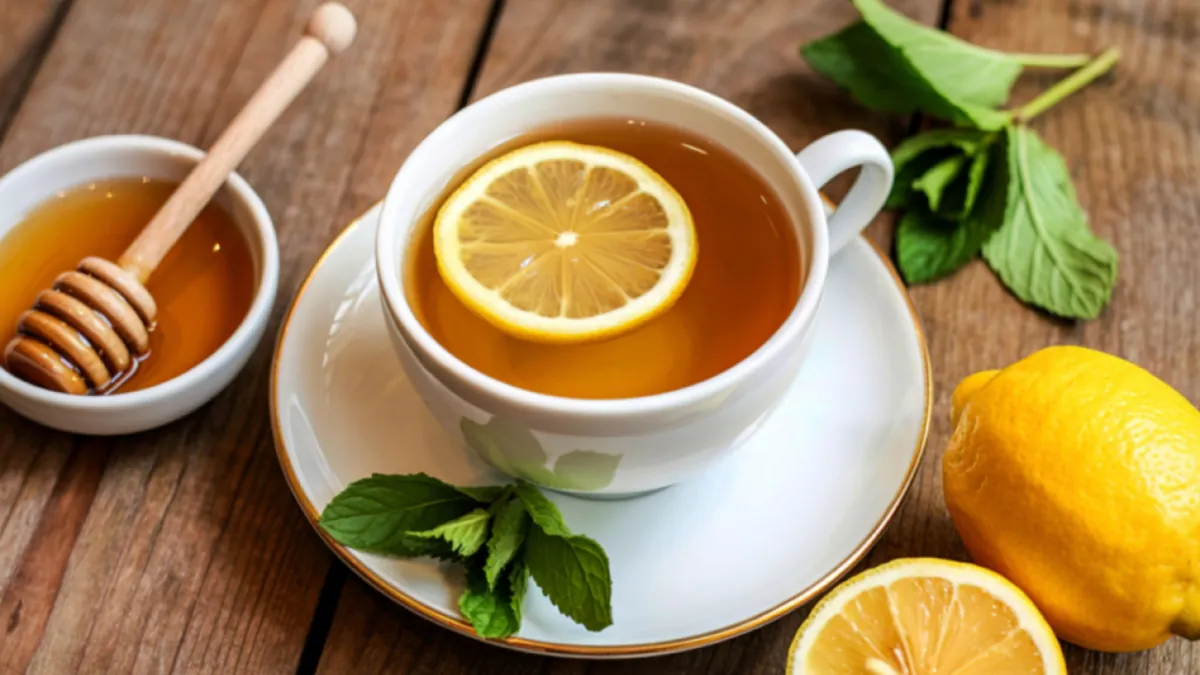
- Either straight off the spoon, or dissolved in a glass of lukewarm water (not hot, heat above 40C destroys the enzymes)
- Wait 15 to 20 minutes before eating breakfast
- Adding lemon juice to the warm honey water gives you an added vitamin C and alkalizing boost
This is also the best time to take honey if your goal is weight management. Starting the day with a small dose of natural sugar reduces cravings for processed sugar and refined carbohydrates throughout the morning.
2. Before Bed: Best for Sleep and Brain Recovery
This one surprises most people. Taking honey before bed sounds counterintuitive, sugar before sleep?, but the mechanism behind it is well-established.
During sleep, your brain remains metabolically active. It consolidates memories, flushes toxins via the glymphatic system, and runs repair processes. All of this requires fuel. Your liver stores glycogen during the day, but it depletes those stores during fasting (including overnight sleep). When glycogen runs low, your body triggers a mild stress response, releasing cortisol and adrenaline, which fragments your sleep and can cause you to wake up in the middle of the night.
A small dose of raw honey before bed restocks liver glycogen just enough to fuel 7 to 8 hours of brain activity without spiking your insulin. The fructose in honey is absorbed more slowly than glucose, which means it provides a sustained slow-release energy source rather than a spike-and-crash.
Research on honey and sleep quality has also shown that honey stimulates a small release of melatonin via insulin-driven tryptophan conversion in the brain, essentially using the natural sugar pathway to nudge your body toward sleep.
How to Do It
- Take 1 teaspoon (not a full tablespoon, less is more here) about 30 minutes before sleep
- Straight off the spoon is ideal so the honey coats your throat
- Combine with a pinch of Himalayan salt if you want an even stronger sleep effect, the sodium-to-glucose ratio helps stabilize blood sugar overnight
- Avoid mixing with hot milk or hot tea, as the heat will degrade the active compounds
If you struggle with waking up at 2 or 3am, this is the most common underlying cause, liver glycogen depletion. Try the bedtime honey ritual for 7 consecutive nights and track the difference.
3. Before Exercise: Best for Sustained Energy
Raw honey is one of the oldest pre-workout foods in the world. Ancient Greek athletes consumed it before competition. Modern sports science has since validated why.
Unlike simple sugars that spike blood glucose and cause a crash mid-workout, raw honey provides a mixed-sugar profile (roughly 38% fructose, 31% glucose, with trace amounts of maltose and sucrose). This blend fuels your muscles at different rates, providing both an immediate boost and sustained energy throughout your session.
A study by the University of Memphis Exercise and Sport Nutrition Lab found that honey was as effective as commercial sports gels for maintaining blood glucose during endurance exercise, with the advantage of containing antioxidants and antimicrobial compounds that gels do not.
How to Do It
- Take 1 tablespoon 30 minutes before training
- Mix into a small amount of water or take straight
- For longer sessions (over 60 minutes), you can take a second teaspoon at the halfway point
- Pair with a banana for added potassium if doing high-intensity or long cardio sessions
4. After Exercise: Best for Recovery
The post-workout window (first 30 to 45 minutes after training) is when your muscles are most receptive to glycogen replenishment. Raw honey is an excellent recovery food because it provides fast-absorbing sugars to replenish muscle glycogen while simultaneously delivering antioxidants to reduce exercise-induced oxidative stress.
The antimicrobial and anti-inflammatory compounds in raw honey also help manage the low-grade inflammation that follows intense exercise, the kind that, left unchecked, causes delayed onset muscle soreness (DOMS) and slows recovery between sessions.
How to Do It
- Take 1 tablespoon within 30 minutes after your workout
- Best combined with a protein source (Greek yogurt, protein shake, eggs) to get the insulin spike working in favour of both glycogen and protein synthesis
- Raw honey mixed into a post-workout smoothie is one of the most effective recovery meals you can make
5. When You Are Sick: Best for Immunity and Sore Throat
Raw honey has been used as a natural medicine for over 8,000 years. The research backs this up comprehensively.
The antimicrobial activity of raw honey comes from multiple mechanisms working together: hydrogen peroxide production from glucose oxidase enzymes, methylglyoxal (particularly high in Manuka honey), low water activity that prevents bacterial growth, and the acidic pH of honey (around 3.9) that inhibits pathogen survival.
A systematic review and meta-analysis published in BMJ Evidence-Based Medicine by researchers at Oxford University analyzed 14 clinical studies and found that honey outperformed standard care for reducing both cough frequency and cough severity in upper respiratory tract infections. The authors concluded that honey offers a widely available and low-cost alternative to antibiotics for common respiratory symptoms, relevant at a time when antibiotic overprescription is a growing global health concern.
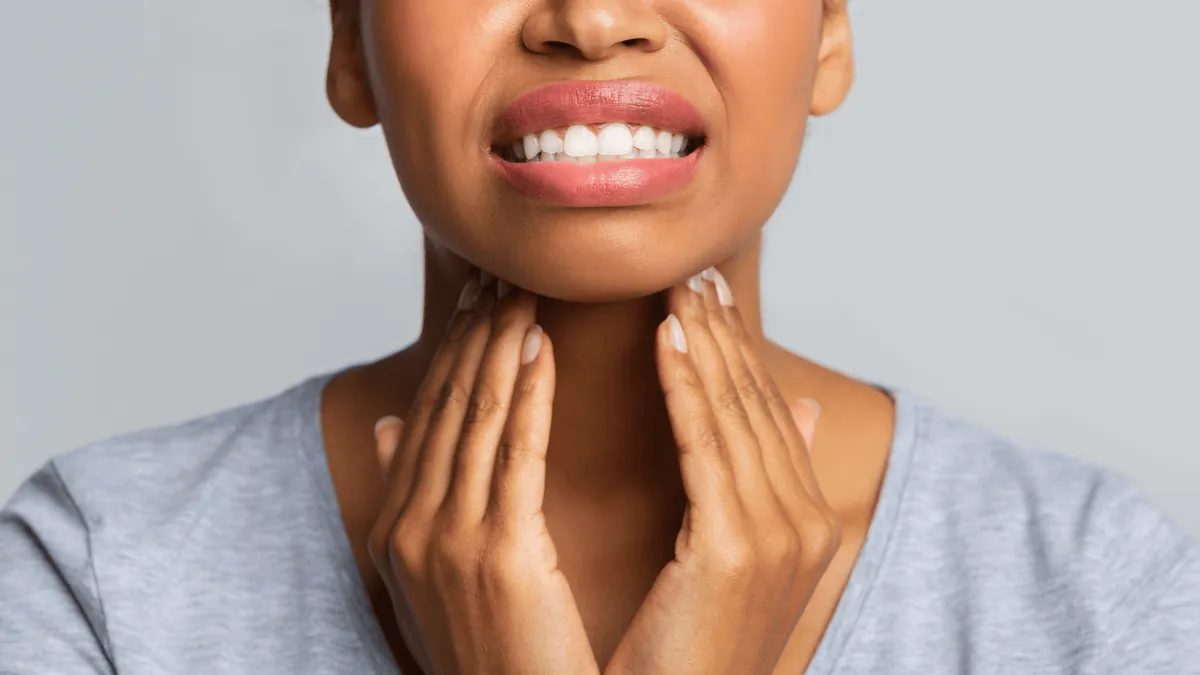
For sore throats specifically, taking honey straight (without water or liquid) is most effective because it creates a coating over the inflamed throat tissue, reducing irritation while its antimicrobial properties work directly on the infection site. See our full post on soothing a sore throat with raw honey for more detail.
How to Do It
- Take 1 to 2 teaspoons straight off the spoon, especially before bed when coughs are worst
- Do not mix with water or hot drinks, direct contact is more effective for throat coating
- For immune support when you feel something coming on, take 1 tablespoon in the morning on an empty stomach and repeat in the evening
- Combine with fresh ginger and lemon juice for a powerful antimicrobial shot
Important: Never give honey to children under 12 months due to the risk of infant botulism. For everyone else, raw honey is safe and highly effective.
6. With Food vs Without Food, Does It Matter?
The short answer: without food is almost always better, but the reason depends on what you are trying to achieve.
When you eat honey with a full meal, the sugars get bundled with other macronutrients in your digestive system. This slows absorption (which can be good for blood sugar management) but also means the enzymes and antioxidants spend more time in an acidic, food-mixed environment where some are degraded before being absorbed.
For maximum bioavailability of the active compounds, take raw honey either 20 minutes before a meal or 2 to 3 hours after one.
That said, if you are adding honey as a natural sweetener to oatmeal, yogurt, or a smoothie, that is still significantly better than refined sugar, you are still getting the antioxidants and minerals, just not the full enzyme benefit. The key is to never add honey to anything hot. Once honey reaches temperatures above 40 degrees Celsius (104F), the enzyme activity and many of the heat-sensitive antioxidants are destroyed. This is the main difference between our raw unpasteurized honey and what you find on most supermarket shelves.
7. Raw Honey and Specific Health Goals
For Weight Management
Replace all refined sugar in your diet with raw honey. Honey has a lower glycemic impact than white sugar because of its fructose content and the presence of compounds that moderate insulin response. Studies on honey versus sucrose in obese individuals found that honey consumption was associated with lower body weight, triglycerides, and LDL cholesterol compared to the sucrose group.
Best time: morning, on an empty stomach, to curb sugar cravings throughout the day.
For Digestion and Gut Health
Raw honey acts as a prebiotic, it feeds the beneficial bacteria in your gut rather than harmful pathogens. It also has demonstrated activity against H. pylori, the bacterium responsible for stomach ulcers. A clinical study in the Saudi Journal of Gastroenterology showed that raw honey inhibited H. pylori growth in culture. For IBS and general digestive sensitivity, many people find morning honey water to be the most effective gut-soothing routine.
For Skin and Anti-Aging
Raw honey is rich in flavonoids and phenolic acids, both potent antioxidants that neutralize free radicals linked to premature aging. Internal consumption matters just as much as topical use. Taking honey consistently means your body has a steady supply of these antioxidants circulating systemically. The best time for skin benefits is morning, when your body is primed for cellular repair after overnight regeneration.
For Hormonal Balance and Stress
Chronic stress depletes your liver glycogen reserves. When glycogen is low, cortisol (your primary stress hormone) rises to pull glucose from muscle tissue. This is a vicious cycle, stress depletes glycogen, low glycogen raises cortisol, high cortisol causes more stress. A small dose of raw honey before bed breaks this cycle by ensuring your liver has enough glycogen to get through the night without triggering a cortisol response. Over time, this can contribute to lower baseline cortisol levels.
8. The Drone Milk Difference, Next-Level Timing
If you are already taking raw honey and want to go further, our drone homogenate milk is one of the most bioactive beehive products available. Unlike regular honey, drone milk is harvested from the larvae of male bees (drones) and contains extraordinarily high concentrations of testosterone precursors, proteins, enzymes, and fatty acids.
The best time to take drone milk is in the morning on an empty stomach, similar to raw honey. It is particularly studied for its effects on male hormone support, energy, and immune modulation. Read our full breakdown of drone homogenate vs royal jelly to understand which is right for you.
How Much Raw Honey Should You Take Per Day?
For healthy adults, 1 to 3 tablespoons of raw honey per day is a widely recommended range for therapeutic benefit without overconsumption of sugar. The key is consistency, daily use over weeks and months builds up the cumulative antioxidant and prebiotic effect.
- Minimum effective dose: 1 teaspoon per day (maintenance and sleep support)
- Standard dose: 1 tablespoon per day (general health and energy)
- Active protocol: 1 tablespoon morning + 1 teaspoon evening (performance, immunity, recovery)
People with type 1 or 2 diabetes should consult their physician before using raw honey therapeutically, as it does affect blood glucose despite its lower glycemic index compared to refined sugars.
Which Raw Honey to Use
None of the timing strategies above work with commercial pasteurized honey. The enzyme activity that drives most of the benefits discussed in this article is heat-sensitive and destroyed during pasteurization.
You need raw, unpasteurized honey that has never been heated above 40C (104F). Our Quebec raw honey is cold-extracted and never pasteurized, preserving the full enzyme content, pollen, antioxidant profile, and natural antimicrobial compounds that make raw honey genuinely therapeutic.
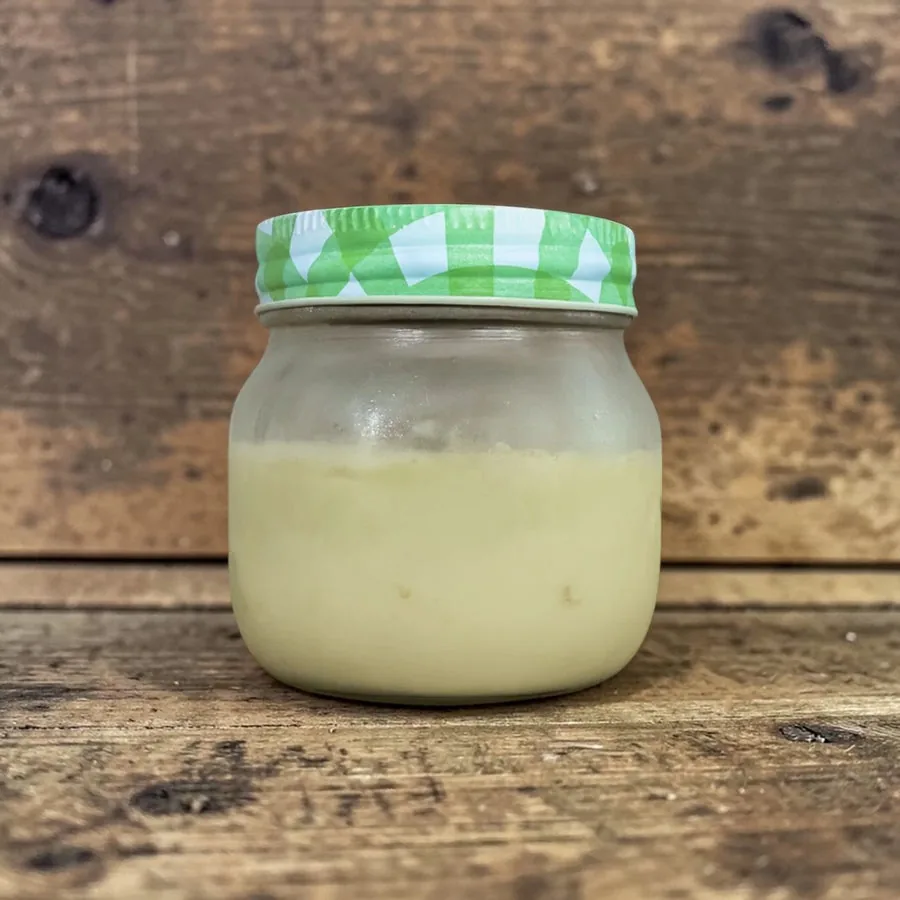
If you want to understand the full difference between raw and processed honey, read our guide on creamed honey vs liquid honey and how to read honey labels so you never get fooled by misleading packaging again.
Frequently Asked Questions
Is it better to take raw honey in the morning or at night?
Both times serve different purposes. Morning honey on an empty stomach is best for digestion, energy, and weight management. Night honey is best for sleep quality, overnight brain recovery, and breaking the cortisol-stress cycle. For maximum benefit, use a small dose at both times.
Can I take raw honey every day?
Yes. Daily use of raw honey in moderate amounts (1 to 3 tablespoons) is safe for healthy adults and is actually more effective than occasional use, since the prebiotic and antioxidant benefits accumulate with consistency.
Does raw honey break a fast?
Technically yes, it contains calories and sugar, which ends a strict fast. However, many people following intermittent fasting protocols use a small amount of raw honey in the morning without negatively impacting the metabolic benefits of their fast, particularly if their eating window starts shortly after. If you are doing a strict therapeutic fast, skip the honey until your eating window opens.
Can I add raw honey to hot tea or coffee?
You can, but you should not if you want the therapeutic benefits. Heat above 40C (104F) destroys the enzymes and degrades the antioxidants. Add honey to lukewarm drinks only, or let your tea cool down before adding it. Better still, take the honey separately.
Is there a best time to take honeycomb specifically?
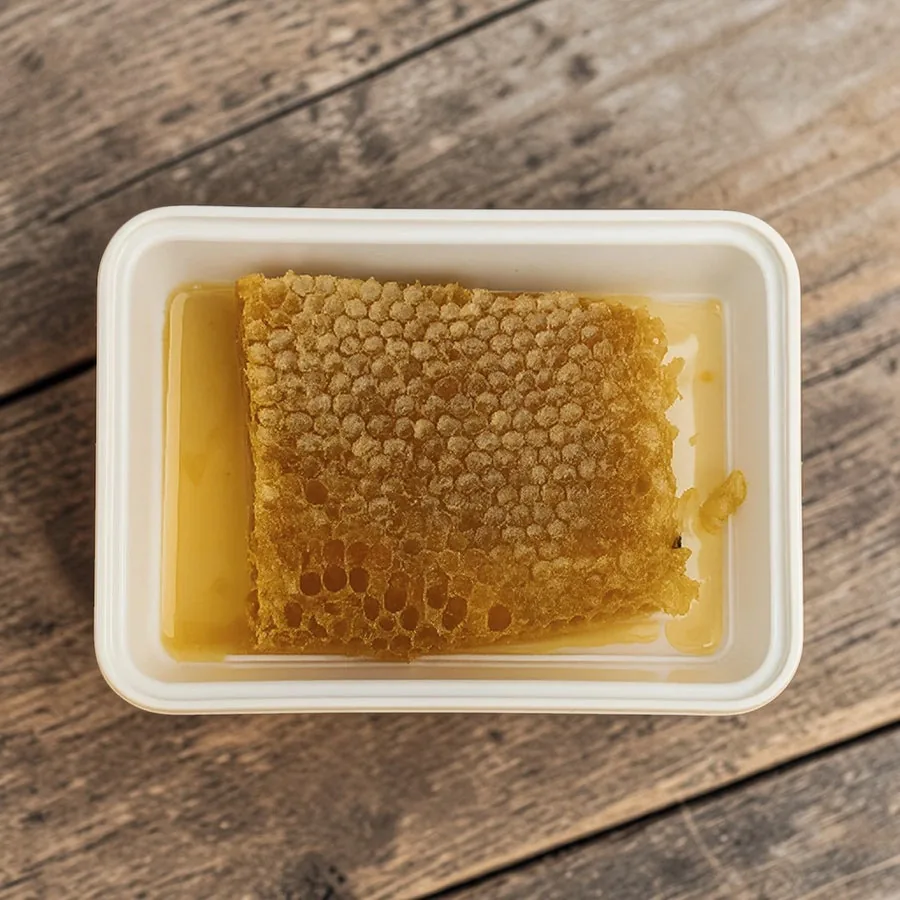
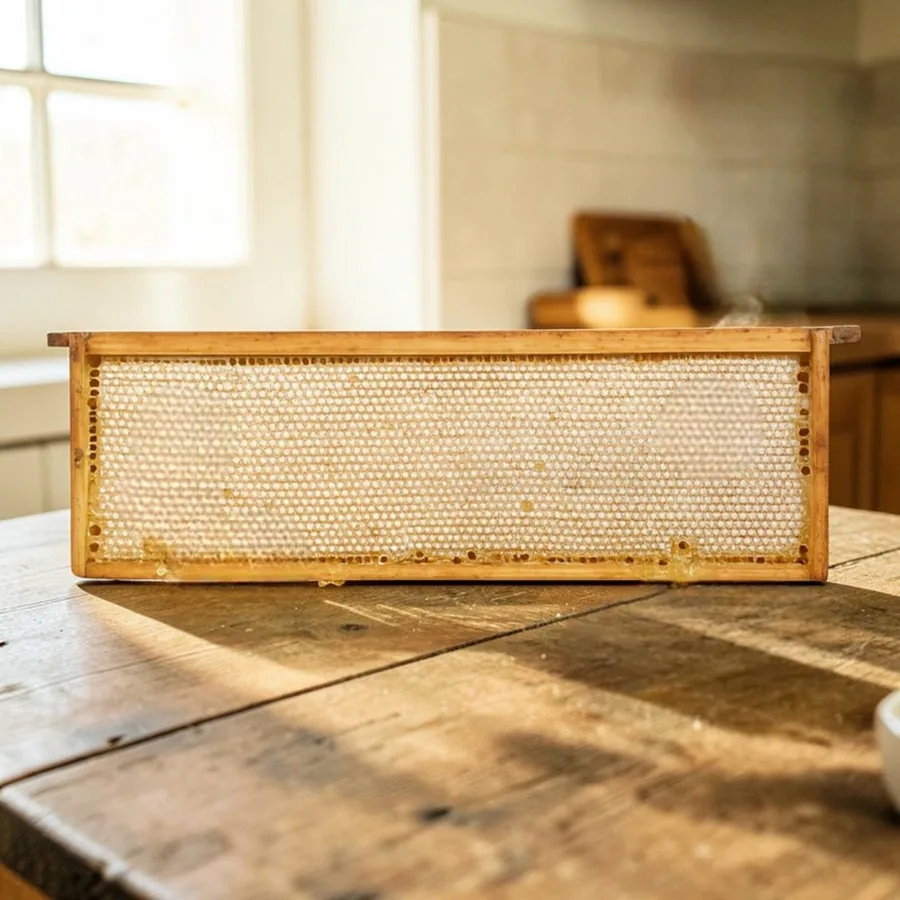
Honeycomb contains both raw honey and beeswax, which adds a unique fibre-like component that can support digestive health. It is best consumed in the morning with or after breakfast. Explore our raw honeycomb if you want the most whole and unprocessed form of honey available.
How should I store raw honey to keep it effective?
Store at room temperature, away from direct sunlight and heat sources. Never refrigerate raw honey, cold temperatures accelerate crystallization without damaging the honey, but the texture change makes some people think it has gone bad. Crystallized honey is still perfectly good and just as potent. Read our full guide on how to store raw honey properly.
The Bottom Line
Raw honey is not just a sweetener, it is a functional food whose benefits depend heavily on when and how you use it. Morning on an empty stomach gives you the digestion, energy, and metabolism benefits. Before bed gives you better sleep and overnight brain recovery. Around workouts gives you clean fuel and faster recovery. When you are sick, it works directly on pathogens.
The key that unlocks all of this is starting with genuine raw, unpasteurized honey, not the processed product that fills most store shelves.
Our full collection of raw Quebec honey products is available for delivery across Canada. If you have questions about which product is right for your specific goals, visit our raw honey FAQ page or reach out directly.
Ready to start? Shop our raw Quebec honey here.